Most first-time visitors picture Spain as sun-baked plains and white villages. Then they see Asturias, and ask us why nobody told them. This is the geography lesson behind everything outside the train window.
A wall of mountains
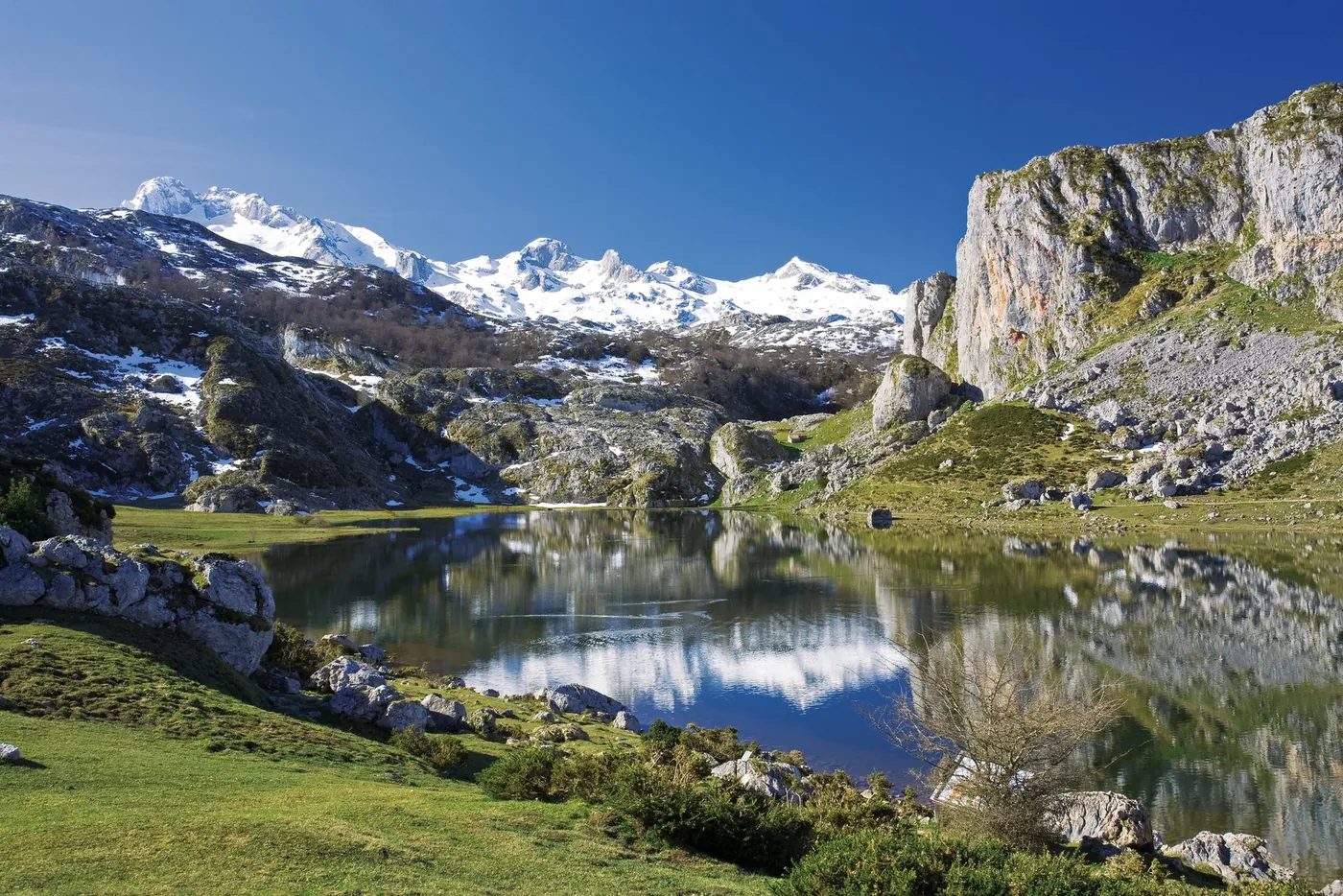
The Cordillera Cantábrica runs parallel to the northern coast, in places rising over 2,600 m within sight of the sea — the Picos de Europa being the spectacular proof, as our Picos guide shows. This wall traps Atlantic weather on the coastal side.
The ocean's engine
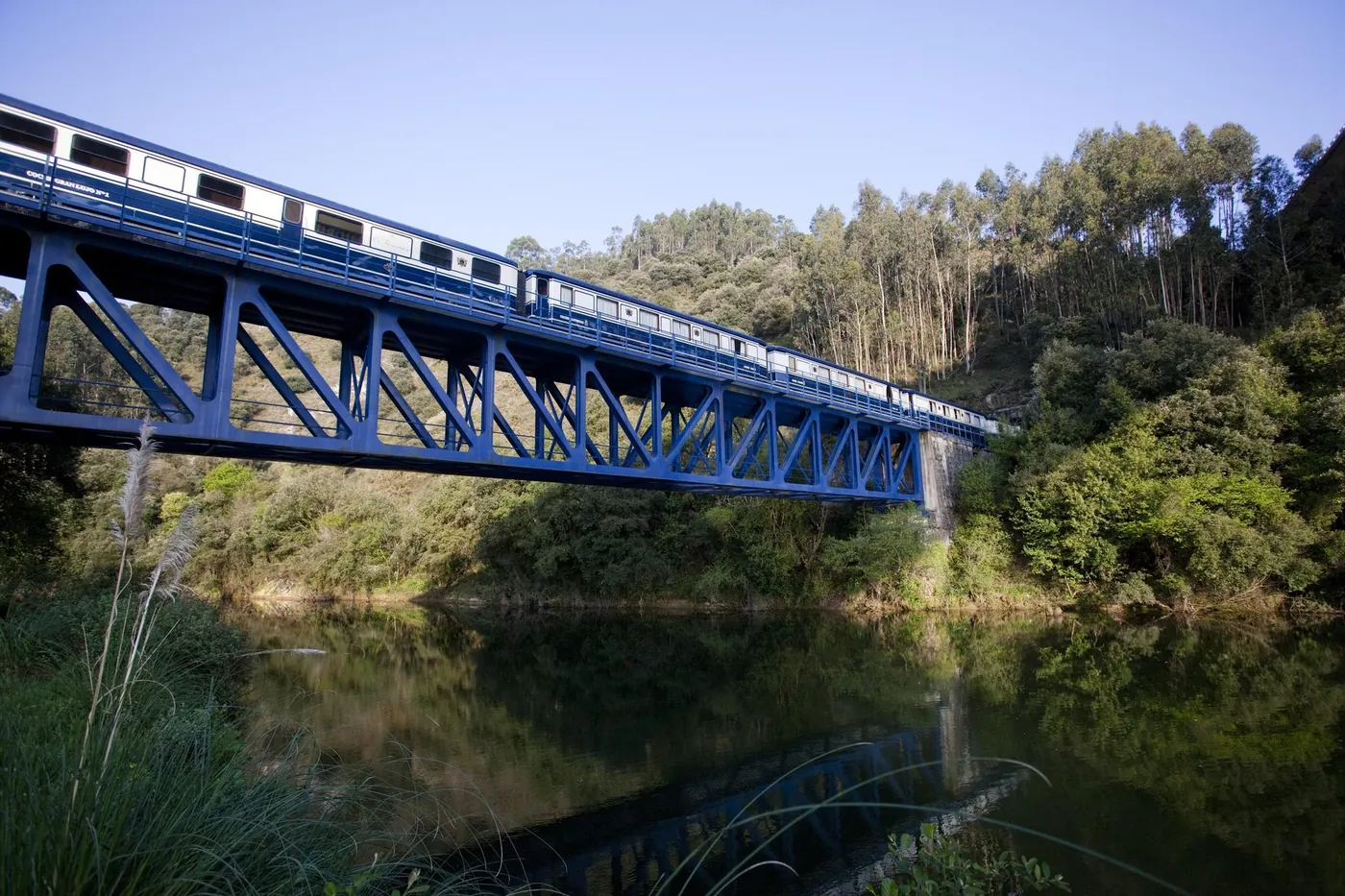
Atlantic fronts arrive loaded with moisture, hit the mountains, and fall as rain on the narrow coastal strip. The result: a lush, temperate ribbon — España Verde — where summers stay comfortable (mid-20s °C) while Andalusia bakes at 40. It is why the region grows cider apples rather than olives, a story we pour out in our drinks guide.
Four regions, four moods
The same engine tunes each region differently: the Basque coast is greenest and boldest; Cantabria softer and pastoral; Asturias wildest; Galicia, cut by drowned river valleys (the rías), the most Atlantic of all. The route guide walks them west in order.
What it means for your trip
Bring layers (packing guide), expect changeable skies that photographers adore, and read our month-by-month season guide before choosing dates.