
If one stop captures the romance of El Transcantábrico's Cantabrian leg, it is Santillana del Mar. Jean-Paul Sartre called it 'the prettiest village in Spain', and centuries of visitors have agreed.
The town of three lies
Locals love to tell you that Santillana del Mar is famously misnamed: it is neither santa (holy), nor llana (flat), nor on the mar (sea). What it is, is astonishingly well preserved — a single golden-stone street of medieval and Renaissance mansions, each bearing its family coat of arms.
What to see
- The Romanesque Colegiata de Santa Juliana, the town's spiritual heart.
- The cobbled main street, lined with noble houses and their stone balconies.
- Nearby Altamira — the 'Sistine Chapel of prehistoric art', whose cave paintings are around 36,000 years old. Its excellent replica museum is not part of the train's programme, but is easy to add if you stay on in Cantabria.
On El Transcantábrico
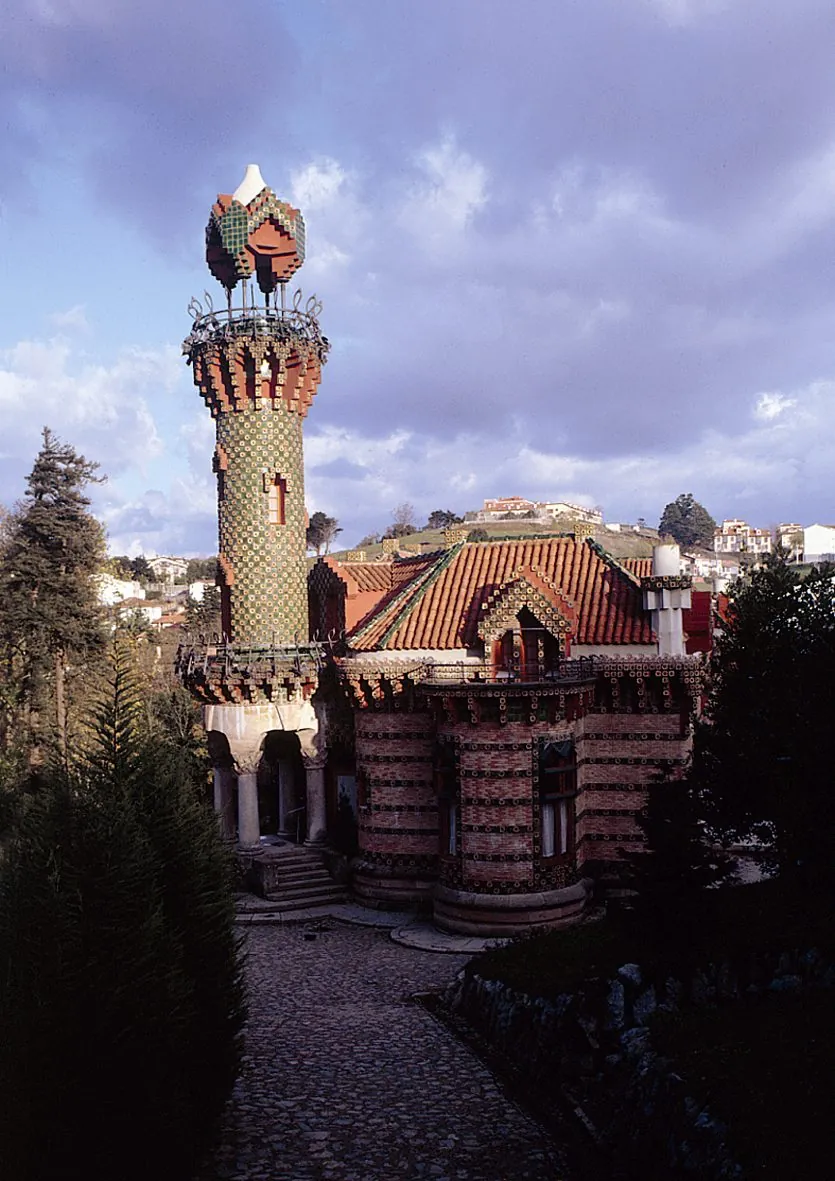
Travelling west, Santillana del Mar fills the morning of day four, before the train follows the coast into Asturias to Llanes (Comillas and its Gaudí villa come the day before, with Potes). Travelling east, it is the morning of day six, on the way to Santander. The visit is guided and included, with time to wander the lanes and browse for local quesada and sobaos.
Santillana is one stop on a remarkable architectural line-up — see the architectural wonders of the route, and place it on the map with the definitive route guide.


